[o texto em português encontra-se abaixo]
[en]
Hello! Welcome back to my website. With the New Year now behind us – it was almost a month ago, I know! 🙂 – I would like to take this opportunity to look back on 2025.
2025 was a particularly busy year, and it would be impossible to include everything without making this text extremely long. So, instead of trying to be exhaustive, I have chosen a few moments that, for different reasons, had a particular impact on me.
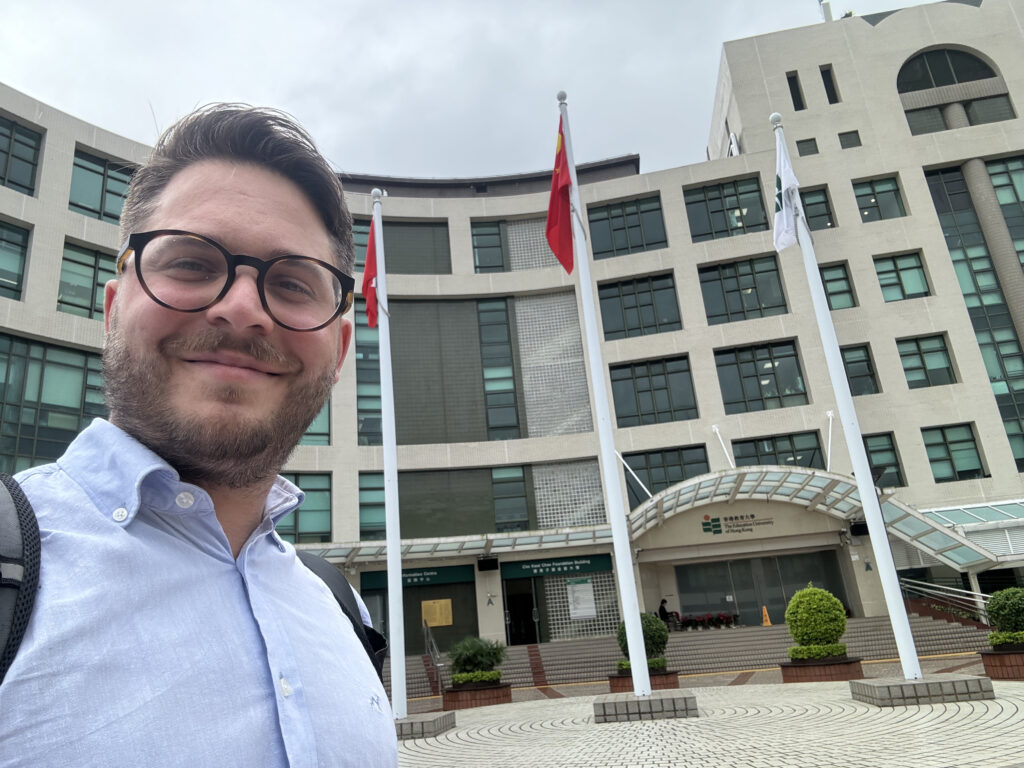
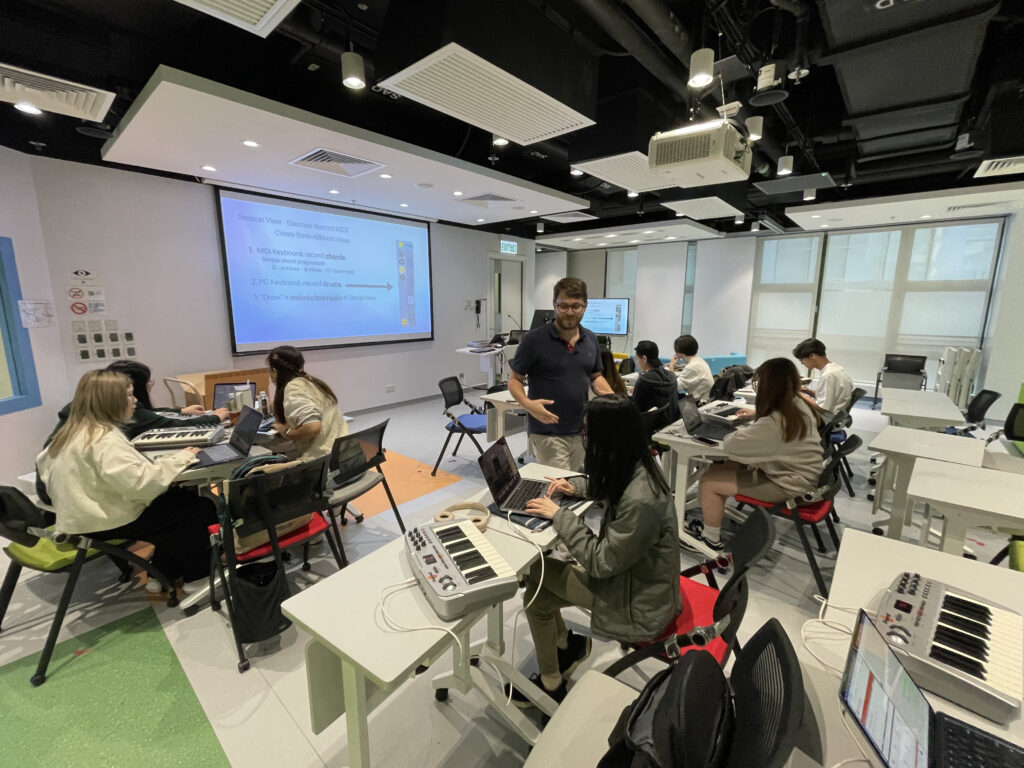
Professionally, I began the year teaching the module ‘Exploring the Creative Potential of Music, Technology and Chinese Tradition’ together with Dr Leung Chi Hin at The Education University of Hong Kong. In this module, we focus on the use of elements of Chinese tradition in new music. In my classes, I try to get students to listen to the sounds around them, deepening their knowledge and understanding of the sonic landscape of Hong Kong. Therefore, I present the sound elements in a more comprehensive way, talking about the sound of traffic lights, the ding-ding (the tram in Hong Kong), and Air conditioning, among many other elements that usually go unnoticed by less attentive ears. Later in the academic year, I was invited to teach part of the module, together with Dr Guo Qiuzi, on ‘Culture and Technology in Creative Industries and Education’. In these classes, we reflect on technological development in the creative industries and in the educational context, starting with a broad definition of ‘technology’ and discussing the problems and solutions it presents us today.
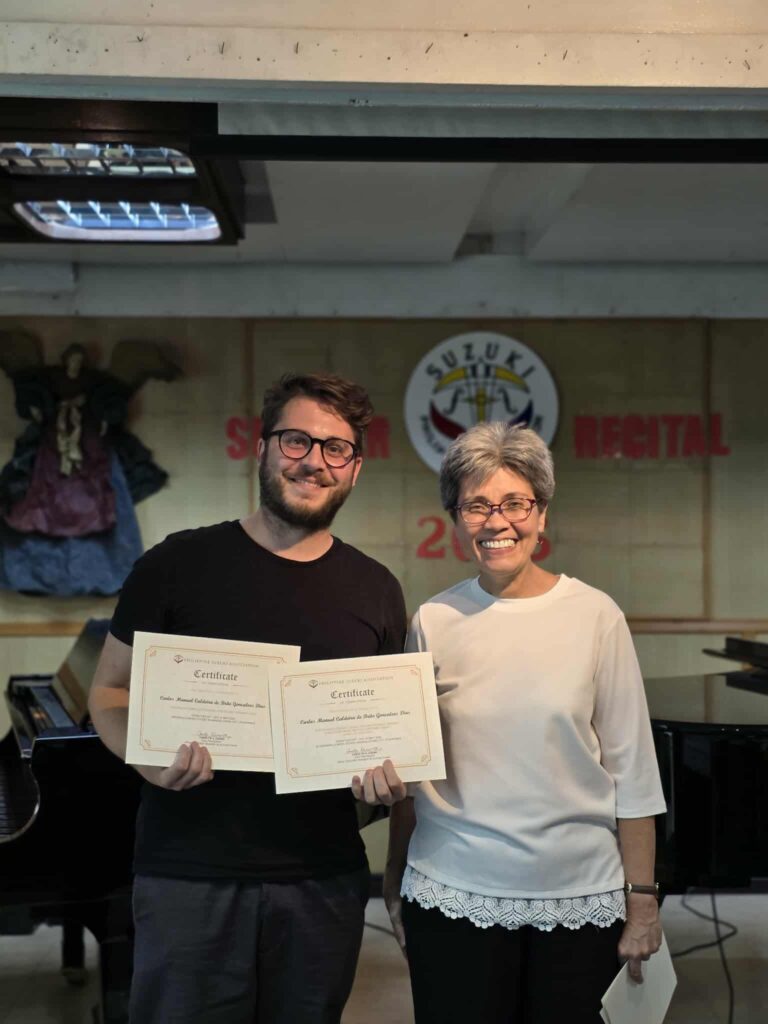
At the same time, after starting to support Mafalda, my wife, in Suzuki Early Childhood Education (SECE) classes at Seed Music Academy with children aged 1 to 3 in 2024, I sought to learn more about the Suzuki method in 2025. In fact, I had already participated in masterclasses on other teaching methods (Orff, Kodály and methods developed essentially from these two). But, although I had been learning the essential elements of the Suzuki method with Mafalda over the years, I had never studied the method in depth. I then found the opportunity to attend an intensive course on the Suzuki Method for Piano (Book 1), taught by Carolyn Cheng, in Manila (Philippines). I hope to continue learning more about this method, which I believe is particularly relevant for teaching young children. The Suzuki method starts from a structured, musical environment, approaching music teaching in a similar way to acquiring a mother tongue: first listening, repeating, and only later trying to read. In addition, I believe that the active involvement of parents in daily practice and the combination of individual lessons with group sessions reinforce motivation, discipline and socialisation, helping to develop not only more confident instrumentalists, but also more sensitive, focused and persevering children.
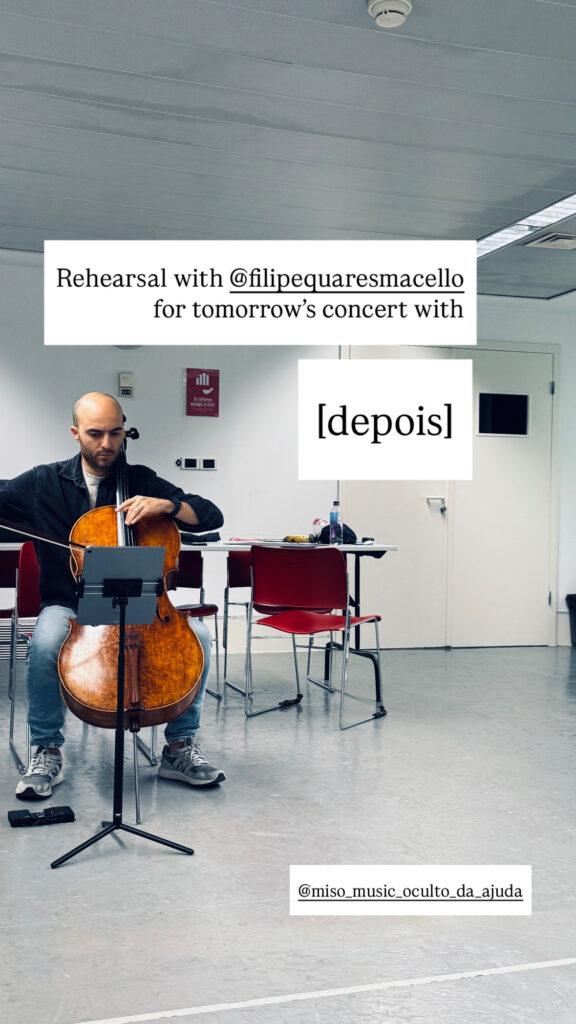
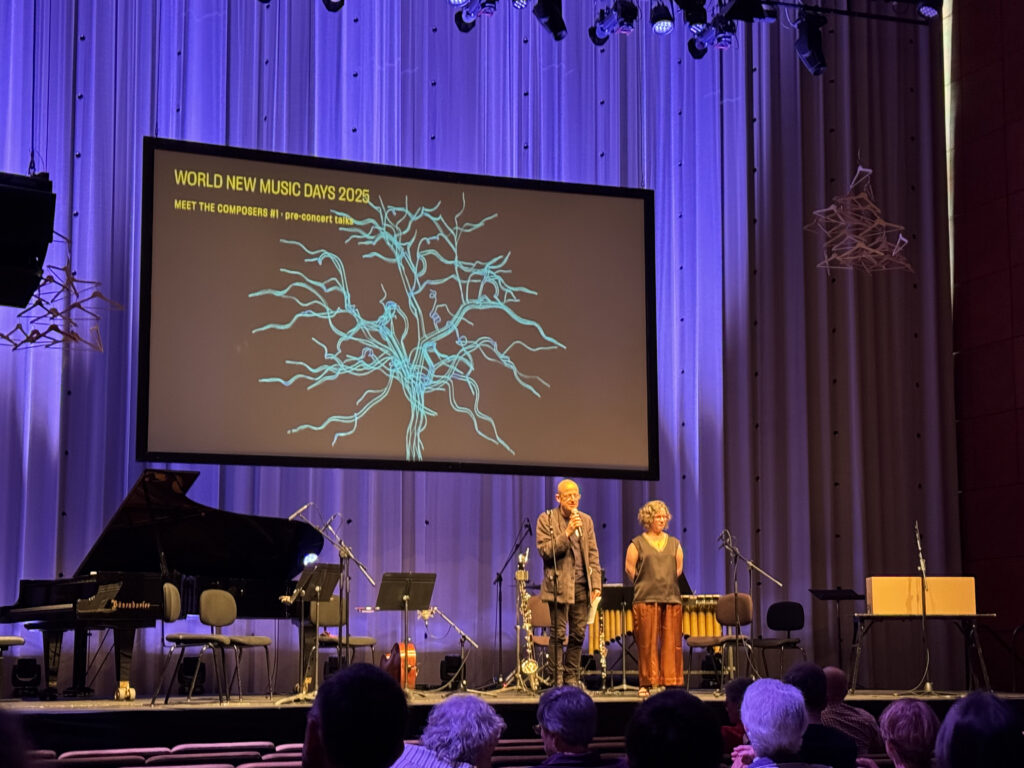
At the end of May, I began my little journey through the 2025 classical music festivals, starting with World New Music Days, organised for the first time in Portugal, between Porto and Lisbon. It was the second consecutive year that I participated in this global festival: in 2024, I was in the Faroe Islands, where my piece ‘was birgst du so bang dein Gesicht?’ was performed. In 2025, I was delighted to hear that my piece “[depois]” for solo cello had been selected by the Portuguese section of the ISCM (Miso Music) to be included in the programme performed by the amazing cellist Filipe Quaresma.
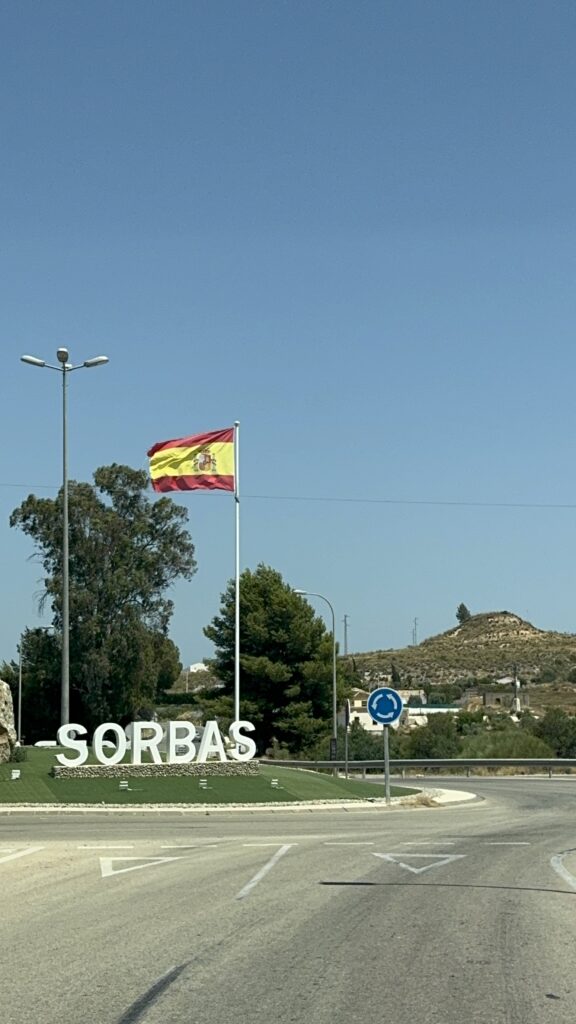
July brought a new chapter in this odyssey: participating in the first edition of FIMSAL (International Music Festival of Sorbas, Almería) as a guest professor for Conducting and Composition. In addition to the pedagogical component, I would like to highlight two moments that marked me at the Festival. First, the premiere of my piece ‘cuevas,’ for string quartet and commissioned by the festival. This piece was born from two ideas that I developed in parallel: on the one hand, I explored the sound characteristics of the caves of Sorbas and their tranquil environment; on the other, I used elements (melodic, rhythmic and harmonic) from A. Borodin’s second string quartet. ‘cuevas’ was premiered at a private concert organised in one of the caves of Sorbas.
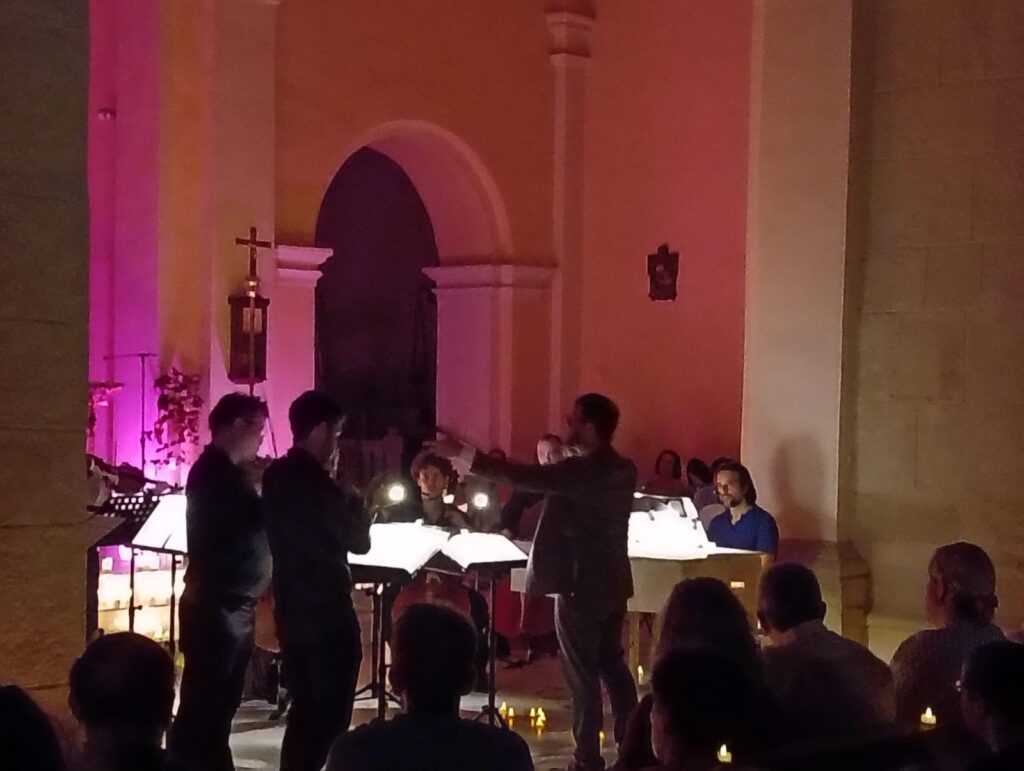
Second, the concert at the Iglesia Parroquial de Santa María (in Sorbas), where I conducted an orchestra formed by the course teachers, performing J. Sibelius’s “Andante Festivo” and part of J. Haydn’s “Symphony No. 94”, in a concert with a full house and a very warm atmosphere. For all these reasons – and many more – FIMSAL was an extremely rewarding festival. In addition to the educational and artistic aspects, the Festival seeks to provide everyone involved (teachers, students and family members) with a happy, close-knit gathering that will remain in everyone’s memory. It certainly remains in mine (and, spoiler alert, FIMSAL will have its second edition in 2026, so stay tuned)!
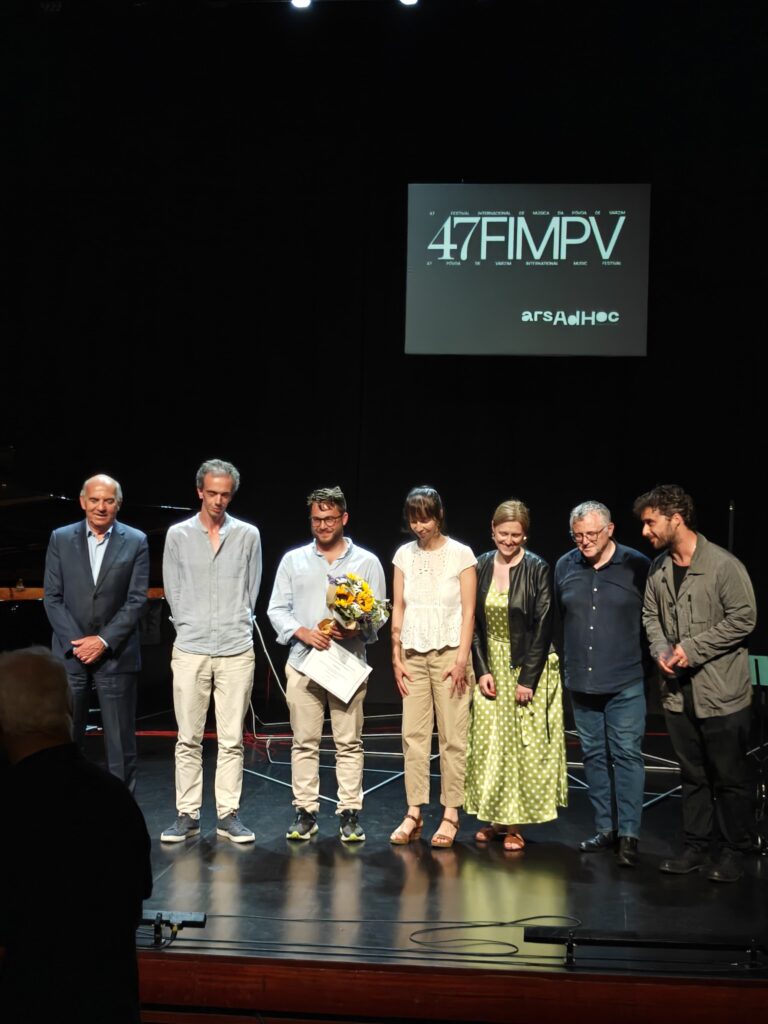
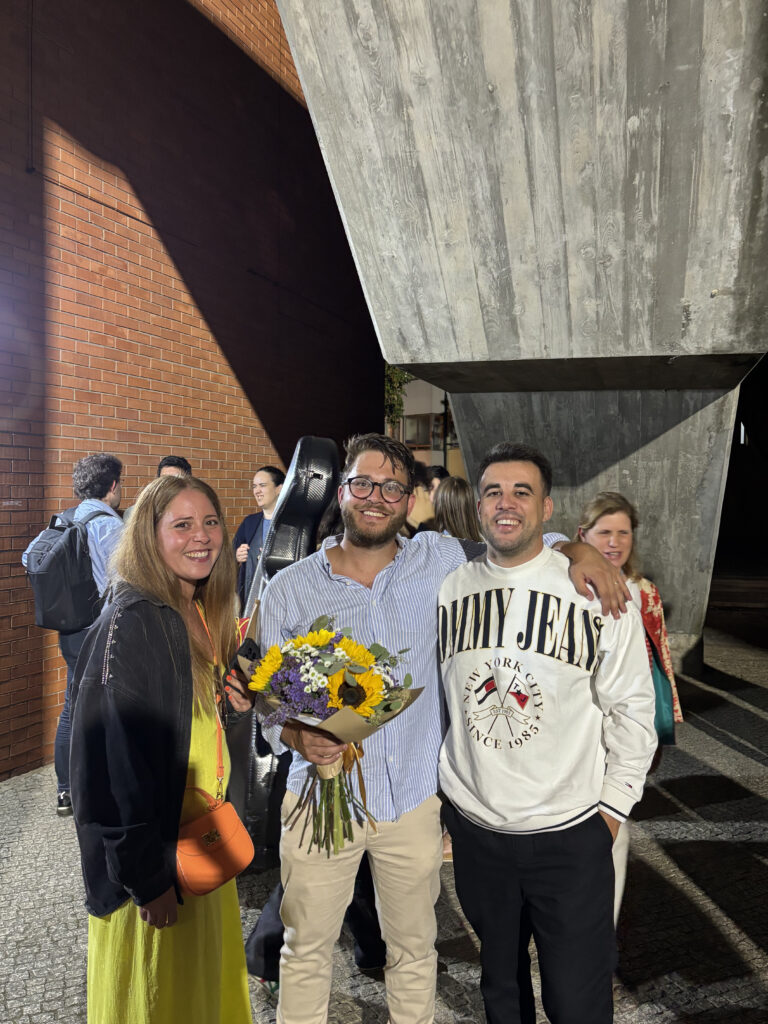
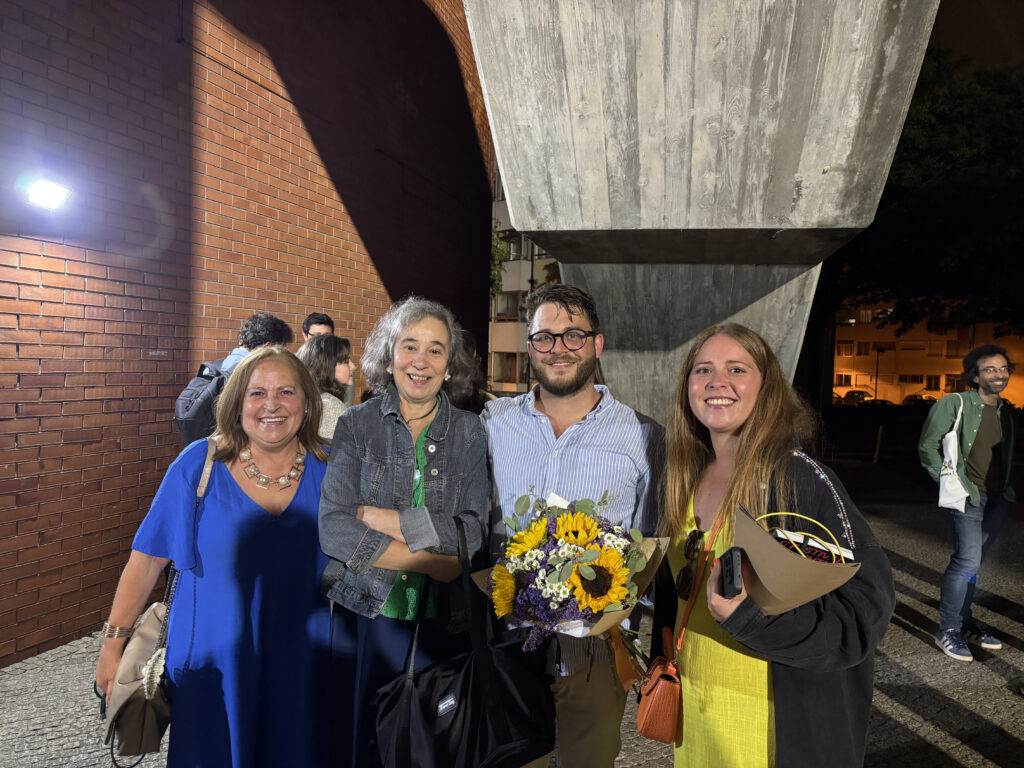
In the middle of this intense week in Sorbas, I made a quick trip to Portugal — less than 24 hours — to attend the final of the 18th International Composition Competition in Póvoa de Varzim, which I was delighted to win, presenting the piece ‘das sombras que nos cegam’ (from the shadows that blind us) for flute, clarinet, violin, cello and piano – brilliantly performed by the ensemble ars ad hoc. This was, as you can imagine, a moment of extreme happiness, especially as it was part of such an important festival as FIMPV, which regularly presents a rich programme, with internationally renowned artists and — more importantly — of the highest quality.
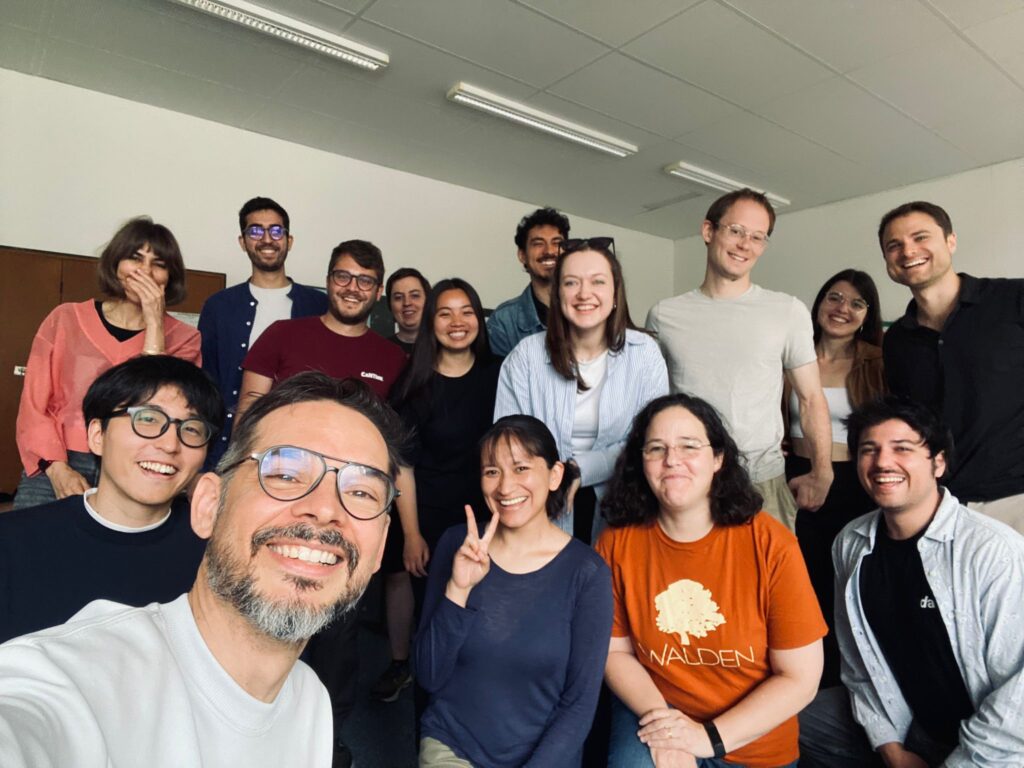
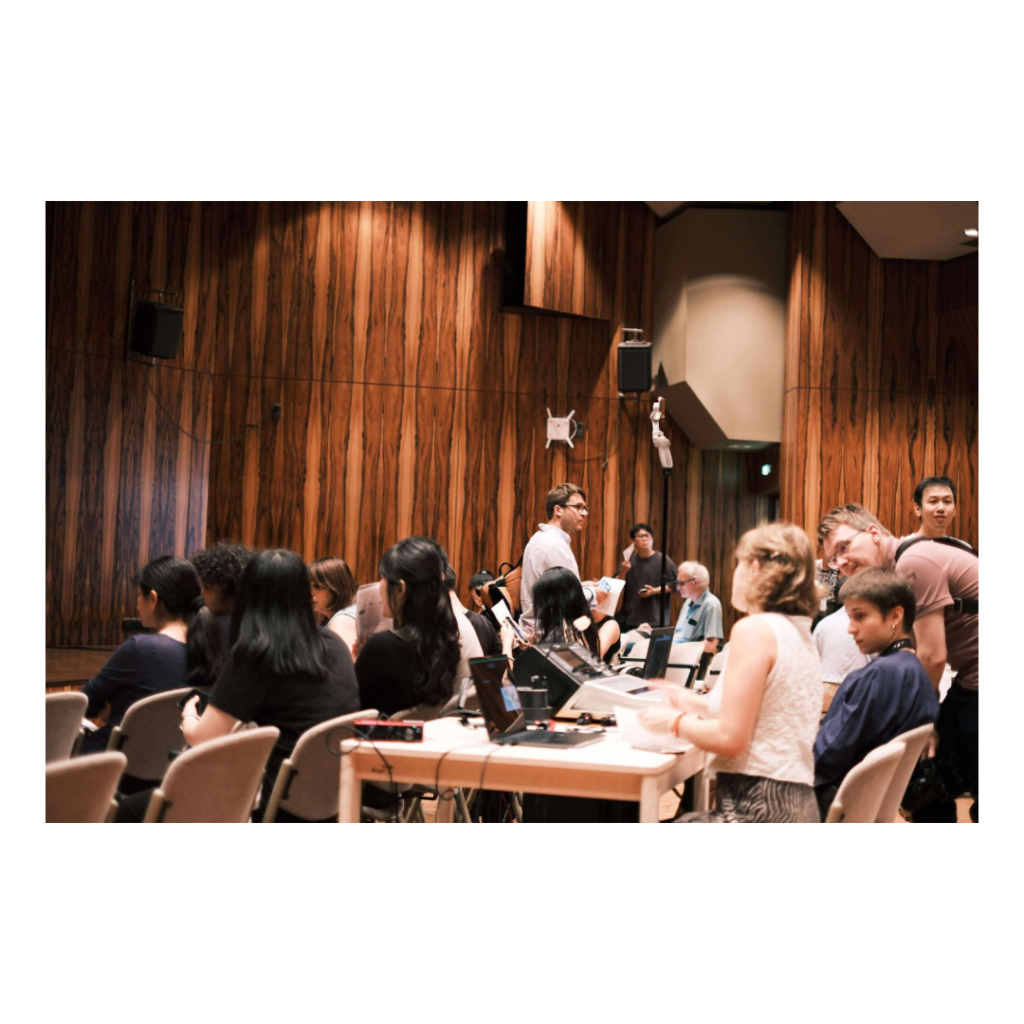
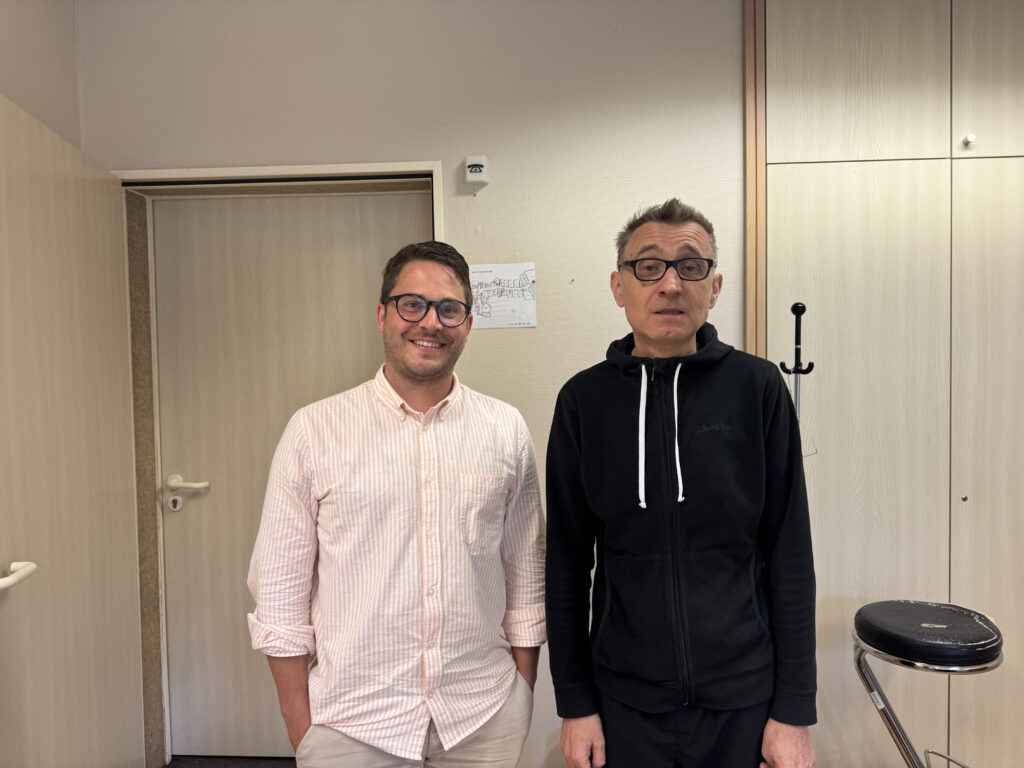
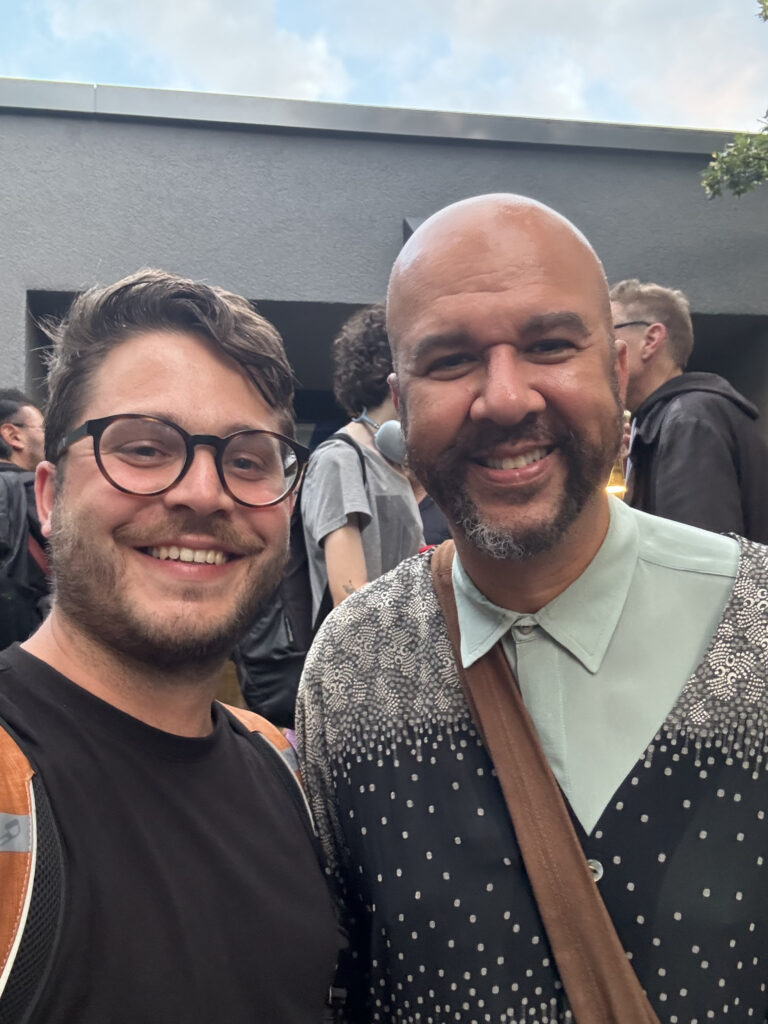
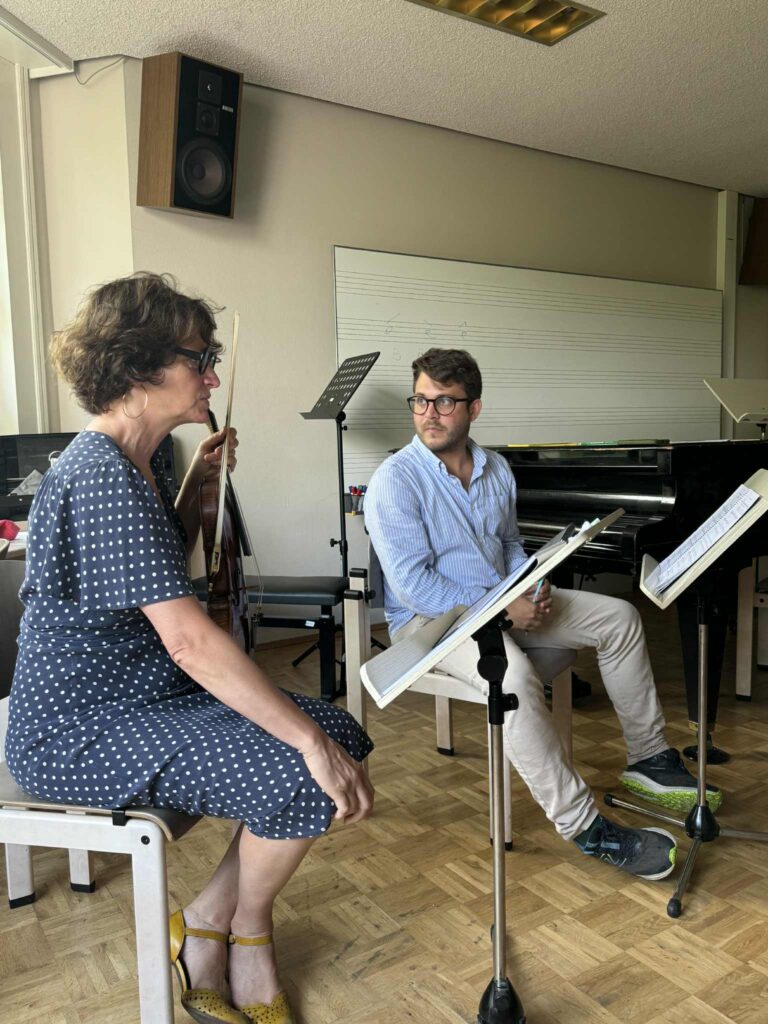
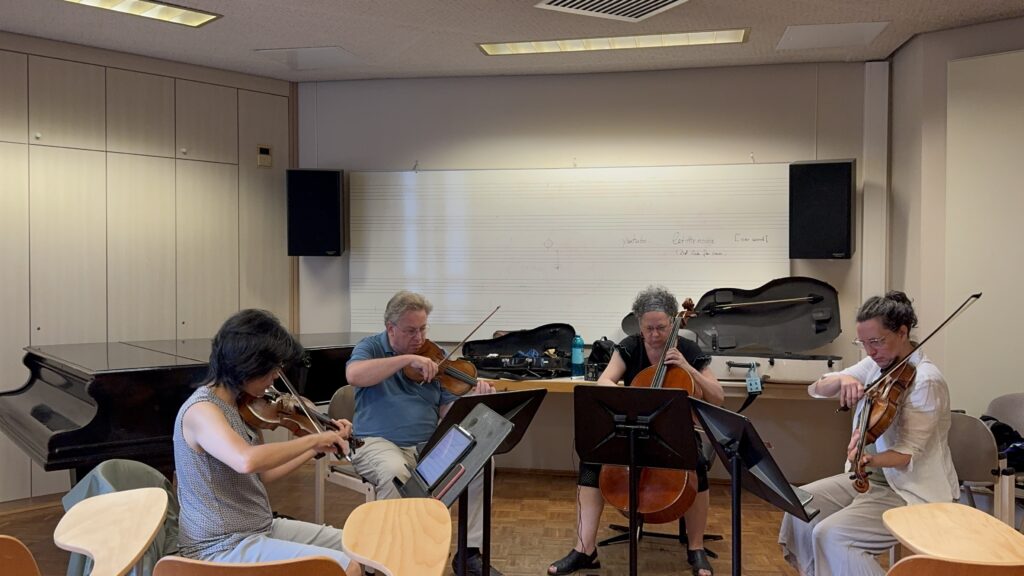
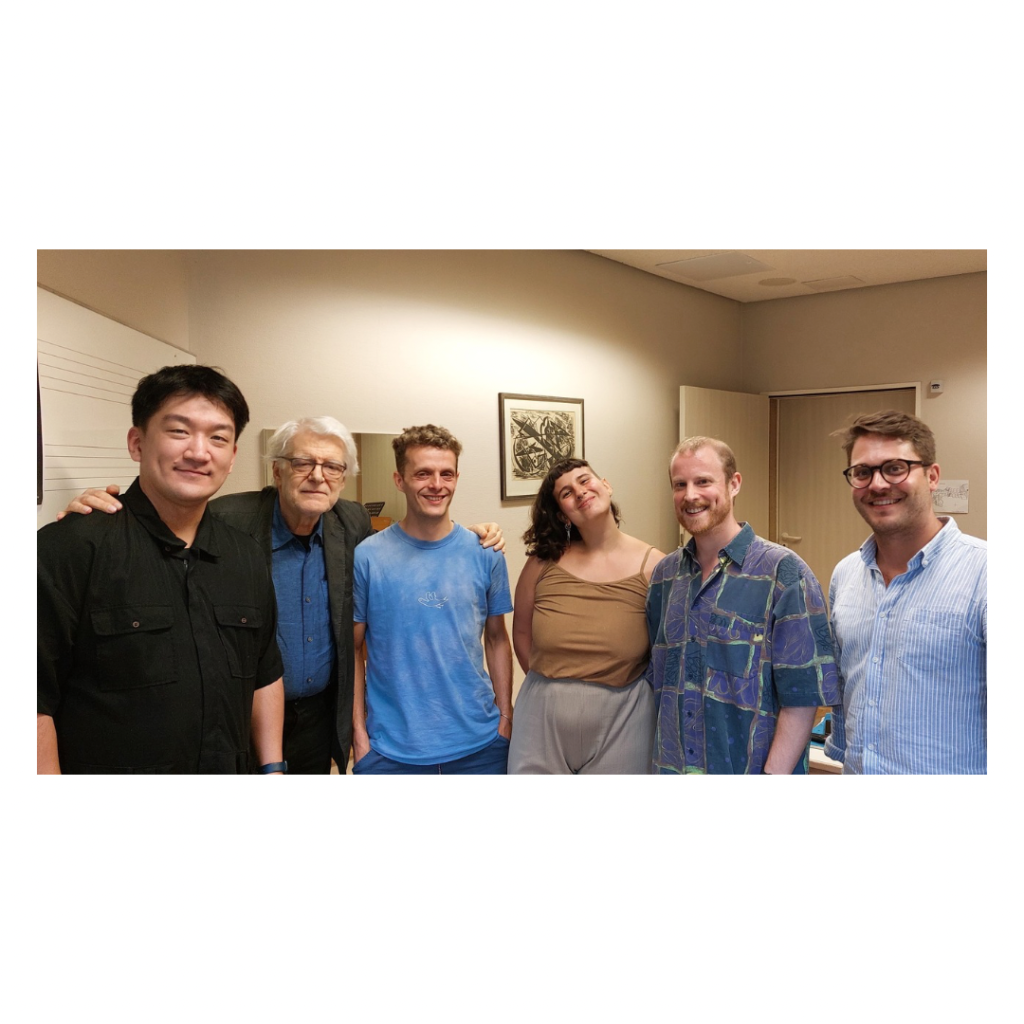
Between 20 July and 2 August, I had two intense weeks in Darmstadt, at the Darmstädter Ferienkursen, steeped in history and future prospects. This time – and after having already participated in this summer course twice (in 2021 and 2023) – I took classes with composers Georges Aperghis, Mark Andre, Sarah Nemtsov, Marcos Balter, and Miroslav Srnka. In addition to all these classes, I gave a short presentation of my research on “Hearing Cultures”, reflecting on how different cultures influence my music, participated in the ‘viola-viola-viola’ workshop with Geneviève Strosser and Georges Aperghis where we worked on my piece ‘where the shadows are so high’ (premiered by Carrie Freya, Yu -Yun Peng and Laura Kumwenda on 2 August 2025), and I also participated in a session of ‘Composer’s Walk-In Clinic’, a workshop organised by Quatuor Bozzini where I had the opportunity to exchange ideas with the instrumentalists, exploring new technical and expressive possibilities in writing for string quartet. I left Darmstadt with new ideas, strengthened friendships and the feeling that these two weeks will continue to fuel my work for a long time to come.
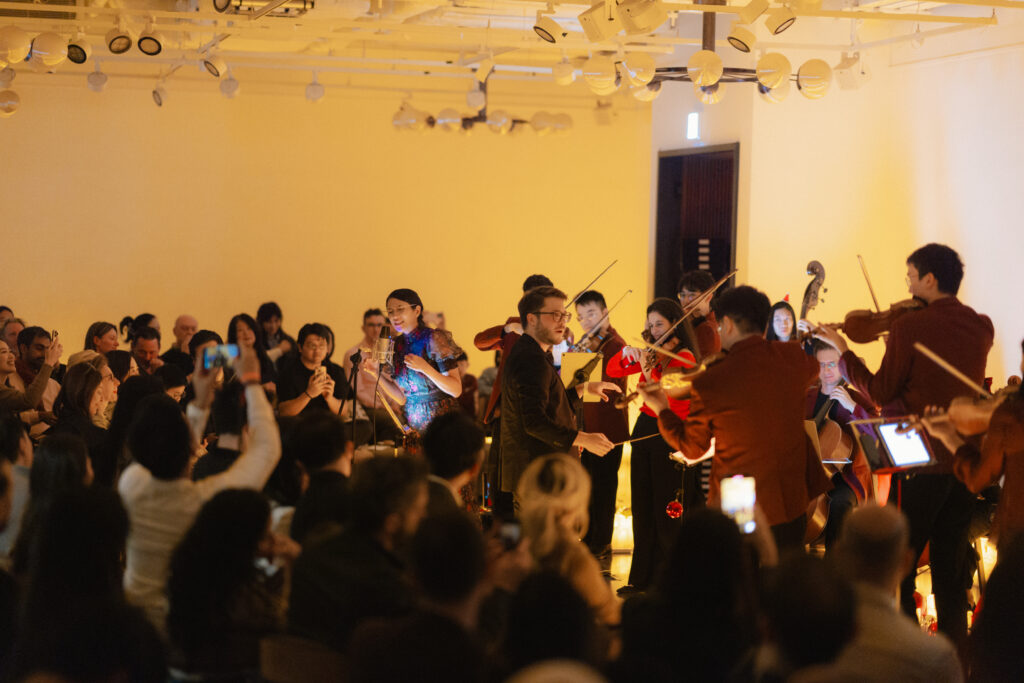
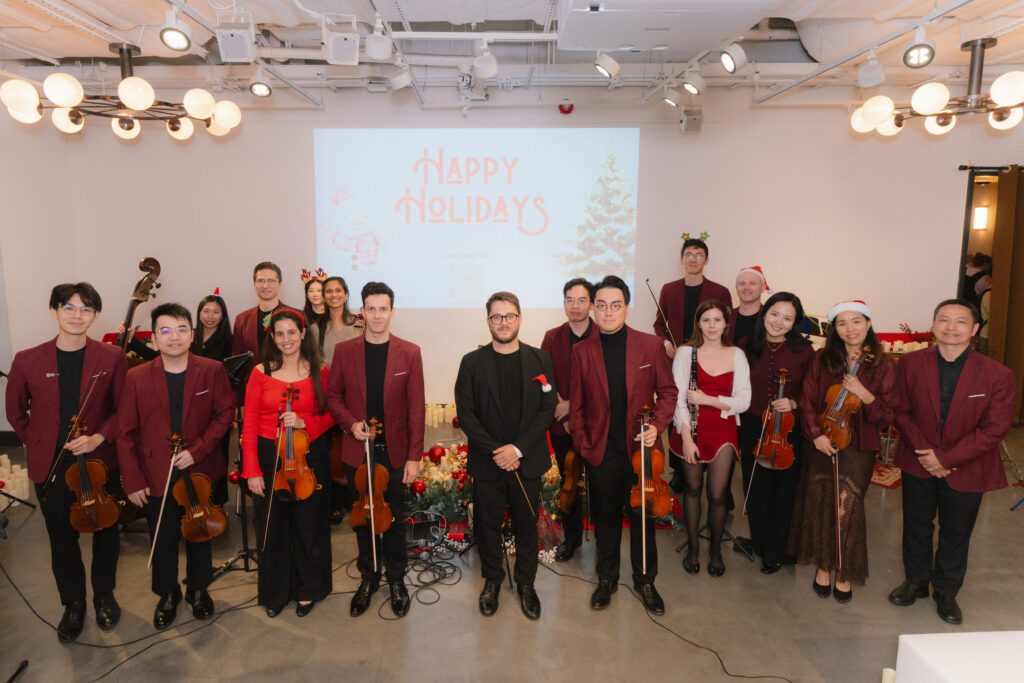
After the summer, I returned to Hong Kong, where I refocused on teaching and continuing my academic and artistic projects. One of these projects was with the Asiartic Camerata Virtuosi, a newly created chamber orchestra in Hong Kong with whom I began collaborating in 2025, which brings us to the last concerts of 2025: three concerts at Soho House in Hong Kong with the Asiartic Camerata, on a whole day of Christmas celebrations. The first two, designed for families and children, featured the collaboration of Baumhaus, guest soloists and children’s choirs, who filled the room with enthusiasm. The third concert was a magical moment — a unique experience lit by candles. The programme began with A. Corelli’s unforgettable Christmas Concerto Grosso (‘Fatto per la notte di Natale’) and ended with a selection of Christmas classics, performed by the orchestra and the incredible voice of Crisel Consunji. Ending the year like this, surrounded by music and talent, was simply unforgettable. Thank you, once again, to Juan Andrés Carmona Valdivia, Tim Chen, the Asiartic Camerata and all the musicians for their dedication and energy!
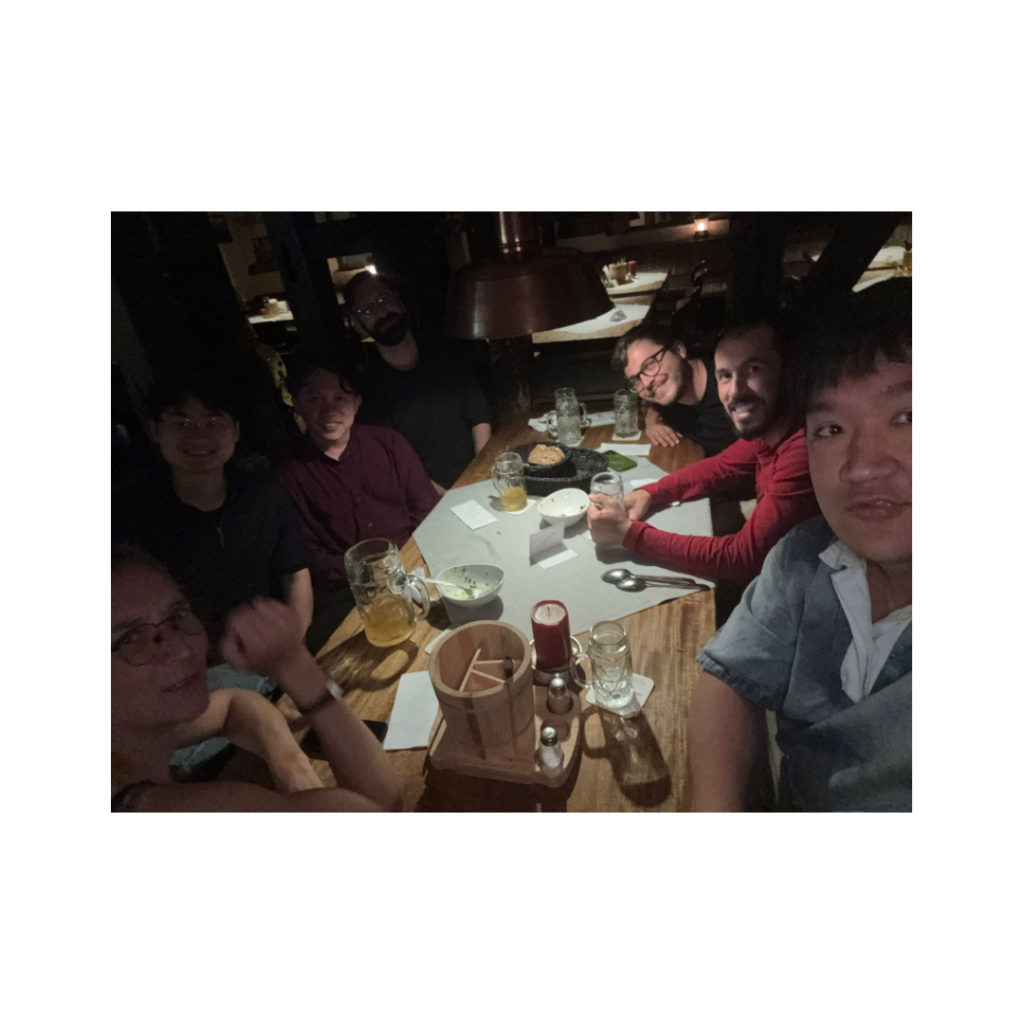
Crossing this border between 2025 and 2026 leaves me feeling tired but happy. It was a year of constant travel, learning and encounters that continue to resonate within me, and now I want to transform all of that into new work. May the seeds of 2025 blossom in this new year, and may 2026 bring time and space to continue listening and creating.
[pt]
Olá! Bem-vindo de volta ao meu site. Aproveito a passagem de ano – já lá vai quase um mês, eu sei! 🙂 – para rever o ano que passou.
2025 foi um ano especialmente cheio e seria impossível registar tudo sem que este texto ficasse extremamente longo. Por isso, em vez de tentar ser exaustivo, optei por escolher alguns momentos que, por diferentes razões, me marcaram particularmente.
Em termos profissionais, comecei o ano a lecionar o módulo “Exploring the Creative Potential of Music, Technology and Chinese Tradition” em conjunto com o Dr. Leung Chi Hin, na The Education University of Hong Kong. Neste módulo, focamo-nos na utilização de elementos da tradição chinesa em nova música. Nas minhas aulas, procuro que os alunos tenham atenção ao mundo sonoro que os envolve, aprofundando o conhecimento sobre o som de Hong Kong. Por isso, apresento os elementos sonoros de forma mais abrangente, falando do som dos semáforos, do ding-ding (o elétrico em Hong Kong), do ar-condicionado, entre muitos outros elementos que, por norma, passam despercebidos a ouvidos menos atentos. Mais tarde, já neste ano lectivo, fui convidado a leccionar parte do módulo, em conjunto com a Dra. Guo Qiuzi, sobre “Culture and Technology in Creative Industries and Education”. Nestas aulas, refletimos sobre o desenvolvimento tecnológico nas indústrias criativas e no contexto educativo, partindo de uma definição lata de “tecnologia” e chegando a discutir os problemas e soluções que a tecnologia nos traz hoje em dia.
Paralelamente, e depois de, em 2024, ter começado a apoiar a Mafalda, minha mulher, nas aulas de Suzuki Early Childhood Education (SECE) na Seed Music Academy, com crianças de 1 a 3 anos, procurei, em 2025, conhecer de forma mais aprofundada o método Suzuki. Na realidade, já tinha participado de masterclasses de outros métodos pedagógicos (Orff, Kodály e métodos desenvolvidos essencialmente a partir desses dois). Mas, apesar de ter vindo a aprender elementos essenciais do método Suzuki com a Mafalda ao longo dos anos, nunca tinha aprofundado o método. Encontrei, então, a oportunidade de frequentar um curso intensivo de Método Suzuki para piano (Livro 1), orientado por Carolyn Cheng, em Manila (Filipinas). Espero continuar a aprender mais sobre este método, que acredito ser pertinente, principalmente para ensinar crianças. No método Suzuki, parte-se de um ambiente estruturado e musical, abordando o ensino da música de forma semelhante à aquisição de uma língua materna: primeiro ouvindo, repetindo e, só mais tarde, tentando ler. Para além disso, acredito que o envolvimento ativo dos pais na prática diária e a combinação de aulas individuais com momentos de grupo reforçam a motivação, a disciplina e a socialização, ajudando a formar não apenas instrumentistas mais seguros, mas também crianças mais sensíveis, concentradas e perseverantes.
No final de maio, comecei a minha pequena “odisseia” pelos festivais de música clássica de 2025, inaugurada pelo World New Music Days, organizado pela primeira vez em Portugal, entre Porto e Lisboa. Foi o segundo ano consecutivo em que participei neste festival mundial: em 2024 estive nas Ilhas Faroé, onde a minha peça ‘was birgst du so bang dein Gesicht?‘ foi apresentada. Em 2025, recebi com enorme alegria a notícia de que a minha peça “[depois]”, para violoncelo solo, tinha sido selecionada pela secção portuguesa da ISCM (Miso Music) para integrar o programa interpretado pelo incrivelmente talentoso violoncelista Filipe Quaresma.
Julho trouxe um novo capítulo desta odisseia: participar na primeira edição do FIMSAL (Festival Internacional de Música de Sorbas, Almería) como professor convidado para Direcção e Composição. Para além da componente pedagógica, gostaria de destacar dois momentos que me marcaram no Festival. Primeiro, a estreia da minha peça “cuevas”, para quarteto de cordas e encomendada pelo festival. Esta peça nasceu de duas ideias que desenvolvi paralelamente: por um lado, explorei as características sonoras das grutas de Sorbas e no seu ambiente tranquilo; por outro, utilizei elementos (melódicos, rítmicos e harmónicos) do segundo quarteto de cordas de A. Borodin. “cuevas” foi estreada num concerto privado organizado numa das grutas de Sorbas.
Segundo, o concerto na Iglesia Parroquial de Santa María (em Sorbas), no qual dirigi a orquestra composta pelos professores do curso, interpretando “Andante Festivo” de J. Sibelius e parte da “Sinfonia n.º 94” de J. Haydn, num concerto com sala cheia e muito calor humano. Por tudo isto – e muito mais – o FIMSAL foi um festival extremamente gratificante. Para além de toda a parte pedagógica e artística, o Festival procura dar a todos os presentes (professores, alunos e familiares) um convívio feliz, próximo, que ficou na memória de todos. Na minha ficou (e, spoiler alert, o FIMSAL vai ter a sua segunda edição em 2026, fiquem atentos)!
A meio dessa semana intensa em Sorbas, fiz ainda uma viagem relâmpago a Portugal — menos de 24 horas — para estar presente na final do 18.º Concurso Internacional de Composição da Póvoa de Varzim que com muita felicidade venci, apresentando a peça “das sombras que nos cegam” para flauta, clarinete, violino, violoncelo e piano – brilhantemente interpretada pelo ensemble ars ad hoc. Este foi, como devem calcular, um momento de extrema felicidade, especialmente por ser parte de um festival tão importante como FIMPV, que apresenta regularmente um cartaz rico, com artistas de renome internacional e – mais importante do que isso – com muita qualidade.
Entre 20 de julho e 2 de agosto, tive duas semanas intensas num ambiente cheio de história e de futuro em Darmstadt, nos Darmstädter Ferienkursen. Desta vez – e depois de já ter participado neste curso de verão por duas vezes (em 2021 e 2023) – tive aulas com os compositores Georges Aperghis, Mark Andre, Sarah Nemtsov, Marcos Balter e Miroslav Srnka. Para além de todas estas aulas, dei uma pequena apresentação da minha investigação em torno de “Hearing Cultures”, refletindo sobre a forma como diferentes culturas influenciam a minha música, participei no workshop “viola-viola-viola” com Geneviève Strosser e Georges Aperghis onde trabalhamos a minha peça “where the shadows are so high” (estreada por Carrie Freya, Yu-Yun Peng e Laura Kumwenda a 2 de Agosto de 2025), e, participei ainda numa sessão de “Composer’s Walk-In Clinic”, workshop organizado pelo Quatuor Bozzini e onde tive a oportunidade de trocar ideias com os instrumentistas, aprofundando novas possibilidades técnicas e expressivas da escrita para quarteto de cordas. Saí de Darmstadt com novas ideias, amizades reforçadas e a sensação de que estas duas semanas vão continuar a alimentar o meu trabalho por muito tempo.
O verão deu lugar a um regresso a Hong Kong, com o foco novamente colocado no ensino e na continuidade dos projetos académicos e artísticos. Um desses projectos foi com a Asiartic Camerata Virtuosi, uma orquestra de câmara recém-criada em Hong Kong com quem comecei a colaborar em 2025, o que nos leva aos últimos concertos de 2025: três concertos na Soho House de Hong Kong, com a Asiartic Camerata, num dia inteiro de celebração natalícia. Os dois primeiros, pensados para famílias e crianças, contaram com a colaboração da Baumhaus, solistas convidados e coros infantis, que encheram a sala de entusiasmo. O terceiro concerto foi um momento mágico — uma experiência única iluminada por velas. O programa começou com o inesquecível Concerto Grosso de Natal («Fatto per la notte di Natale») de A. Corelli e terminou com uma seleção de clássicos de Natal, interpretados pela orquestra e pela incrível voz da Crisel Consunji. Terminar o ano assim, rodeado de música e talento, foi simplesmente inesquecível. Obrigado a Juan Andrés Carmona Valdivia, Tim Chen, à Asiartic Camerata e a todos os músicos pela dedicação e energia.
Atravessar esta fronteira entre 2025 e 2026 deixa uma sensação de cansaço feliz. Foi um ano de deslocações constantes, de aprendizagens e de encontros que continuam a ressoar em mim, e a vontade agora é a de transformar tudo isso em trabalho novo. Que as sementes de 2025 floresçam neste novo ano e que 2026 traga tempo e espaço para continuar a ouvir e criar.